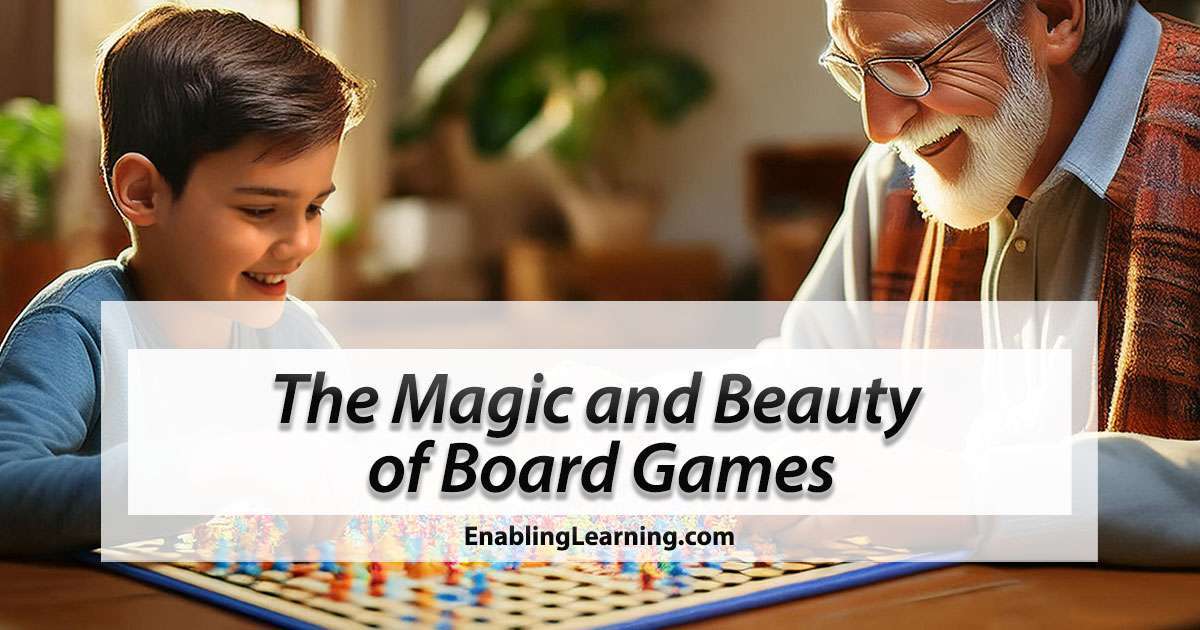
Growing up, I cherished the countless hours spent at the dining table, deeply engrossed in board games with my grandfather. To me, he was the guiding figure in my life, not just my father’s father but a patient teacher, a repository of knowledge, and a playful companion. Our games were more than simple pastimes; they were learning experiences, especially those that required trivia knowledge, critical thinking, and a love for history. He was a walking encyclopedia, with a wealth of general knowledge about history, science, and life. I think my fascination with learning through play is something that he inspired in me, and grew into my passion for trivia and mentally engaging games. These games encouraged me to develop my curiosity, analytical thinking, and problem-solving skills.
One of the games I remember playing with him often was Mastermind, a game of pure deduction and logic. Though simple, Mastermind brought a thrill of discovery and strategy that captivated me. The game requires one player to create a hidden code using colored pegs, while the other player, the “Codebreaker,” has to guess the correct colors and their positions. Each attempt at guessing gives clues about the accuracy of the colors and positions, gradually revealing the correct configuration through logic and deduction. Originally created in the 1970s, Mastermind quickly became a favorite among players for its focus on strategy over luck, and it remains a classic to this day. Its focus on problem-solving and the careful analysis of patterns mirrors the way we solve real-life challenges, making it a brilliant tool for developing analytical thinking. This was a game I truly enjoyed playing with my grandfather, and I credit him for sparking my understanding of logical thinking, an invaluable skill he helped me build that has shaped how I approach problem-solving even today.
As an educator, I frequently draw from these memories in my work, where I advocate for playful learning, an approach I’ve discussed in several posts and training sessions. Games provide an engaging way to teach and reinforce concepts and enable students to explore and interact with content in ways that deepen their understanding. With board games, students don’t just memorize facts; they experience the thrill of challenge and discovery, making learning a positive and memorable experience. Below, I’ve listed several games I have enjoyed over the years, both those I played with my grandfather and some favorites I now play with my own children. Each game has its unique elements, and I’ll also touch on how they can serve as learning tools for the classroom or home.
- Avalon Hill Axis & Allies 1942 Second Edition WWII Strategy Game
Set during World War II, this strategy game allows players to command military forces to either dominate or liberate the world. Emphasizing planning, resource management, and historical understanding, it is ideal for teaching strategic and historical concepts in an engaging format suitable for older students and adults. - Back to the Future – Back in Time
A cooperative game set in the world of Back to the Future, players must ensure Marty McFly’s family picture remains intact by navigating different timelines. It’s perfect for teaching time management, teamwork, and strategic planning, with collaborative problem-solving at its core. - Battleship Classic Board Game
In this iconic game, players aim to locate and “sink” their opponent’s fleet using a grid-based strategy. The game builds spatial awareness and strategic thinking, making it a fantastic option for teaching coordinates and spatial reasoning in math or geography lessons. - Catan
A game of resource management, negotiation, and strategic building, Catan has players collecting and trading resources to expand their settlements. Its emphasis on planning, resource allocation, and creative problem-solving makes it highly applicable for economics, math, and social studies education. - Clue: Ghost of Mrs. White
A twist on the classic Clue, this version introduces a ghostly theme as players piece together evidence to solve a mystery. It’s excellent for developing logic and deduction skills, as players assess clues and make educated guesses to reach a conclusion. - Clue Board Game Robbery at The Museum
This cooperative version of Clue requires players to work together to solve a museum heist. It’s ideal for teaching collaborative problem-solving and logic as each member analyzes clues to uncover hidden evidence, making it engaging and suitable for younger detectives. - Clue Board Game Treachery at Tudor Mansion
In this Clue edition, players work together to escape Tudor Mansion while solving a murder mystery. It emphasizes teamwork, critical thinking, and deductive reasoning, offering an engaging way for students to practice logic and cooperative problem-solving. - Dragonwood: A Game of Dice & Daring
A fantasy adventure where players roll dice to capture monsters, Dragonwood combines strategy, luck, and risk assessment. It encourages adaptability and critical thinking in a fun, adventurous context, making it an enjoyable choice for students who love fantasy themes. - Funko Games Rear Window Game
Inspired by Alfred Hitchcock’s Rear Window, players work as “Watchers” to decipher visual clues from the “Director” to determine if a murder occurred. The game promotes deduction, teamwork, and suspenseful engagement, perfect for mystery lovers and encouraging careful observation and analysis - Hasbro Gaming Jenga Classic Game
A game of dexterity, patience, and focus, players remove and stack wooden blocks without toppling the tower. Jenga is simple yet intense, fostering motor skills and concentration, making it a fantastic choice for players of all ages. - Hasbro Gaming Risk Game with Dragon Edition
This strategy and negotiation game incorporates a special dragon token, enhancing the challenge of conquering territories and promoting planning and adaptive thinking. Ideal for teaching resource management, historical concepts, and diplomatic skills, Risk combines strategy with interactive gameplay. - Hasbro Gaming Scrabble Deluxe Edition
Scrabble promotes language development as players build words for points. This deluxe edition features a rotating board, making it excellent for family and classroom settings to reinforce vocabulary, spelling, and strategic thinking through competitive gameplay. - Hasbro Gaming Trivial Pursuit Game: Family Edition
This trivia game offers questions in categories suitable for kids and adults, providing entertainment and knowledge testing. It’s an engaging way to broaden general knowledge and memory recall, perfect for enhancing recall abilities and family bonding through trivia. - Mastermind Strategy Game of Codemaker vs. Codebreaker
This deduction game challenges players to break a hidden color code using logic. It’s ideal for math and logic-focused lessons, fostering critical thinking and perseverance as students use clues to determine the correct sequence. - One Night Ultimate Daybreak
In this fast-paced deduction game, players have unique roles with hidden abilities, adding excitement as they work to identify the “werewolf.” The game encourages social interaction, strategic thinking, and role-play, making it a favorite for family gatherings and classroom icebreakers. - Outsmarted – The Live Quiz Show Board Game
A digital-infused quiz game with questions updated regularly via an app, Outsmarted tests knowledge in various categories, making it perfect for family and classroom use. It fosters quick thinking, knowledge retention, and competitive spirit through trivia that keeps everyone engaged. - Phase 10
A rummy-style card game that requires players to complete specific combinations or “phases,” teaching strategy and sequence understanding. Its progressive challenges encourage planning and adaptability, making it a go-to game for family game nights and math-based activities. - Pic Flip
This fast-paced card game tests observation and matching skills as players flip through cards to find matches. It’s perfect for younger players, as it reinforces focus, observation, and attention to detail through a fun and interactive format. - Quick Cups
Players race to arrange colored cups in the order shown on a card, promoting coordination, visual processing, and quick thinking. Quick Cups is great for younger players, as it encourages dexterity and quick observation in a fun, competitive setting. - Skillmatics Card Game – Train of Thought
Focused on social-emotional learning, this game encourages players to answer thoughtful questions about their feelings and experiences. It’s a valuable tool for fostering empathy, communication, and self-reflection, ideal for classrooms focused on emotional intelligence development. - Think Fun Robot Turtles
A STEM-based board game, Robot Turtles introduces preschoolers to coding concepts. By directing turtles with command cards, young players develop problem-solving and early programming skills, making it an engaging introductory tool for teaching coding. - Ticket to Ride Europe 15th Anniversary Deluxe Edition
Set across Europe, players build railways with historical context, emphasizing planning and resource allocation. With beautiful artwork and a focus on logistics, it’s ideal for teaching geography and planning skills in a visually immersive, interactive way. - Trivial Pursuit Family Edition
With family-friendly questions, Trivial Pursuit tests players across a variety of categories, fostering general knowledge and recall. Its accessible format makes it great for all ages, blending learning with friendly competition in both educational and social settings. - UNO
In this fast-paced card game, players aim to be the first to discard their cards, requiring adaptability and strategic thinking. UNO is easy to learn and perfect for young players, making it a staple for teaching strategy and social play through engaging competition.
I would love to hear about the board games that have shaped your childhood memories! What games did you cherish growing up, and which ones do you play in the classroom or enjoy with your children today? Share your favorites in the comments, it’s always inspiring to see how the magic of games continues to create lasting bonds and learning opportunities across generations.
Play Mastermind
I’m also excited to share with you a version of Mastermind that I’ve created using a programming code with AI assistance, so you can play it right here on the webpage. But the true beauty of board games isn’t just in their clever mechanics or the skills they develop. It’s in the wonderful moments we share as part of a group. Sitting around a table, laughing, strategizing, and making memories is what made my childhood with my grandfather so special, and it’s what my wife and I hope to pass on to our children. These are the magical moments that come alive with each game, and I hope you get to create many of them, too.
Mastermind
- Select a color from the palette below
- Click on the empty circles to place your guess
- Click a filled circle again to clear it
- Click Check when you have filled all 4 positions
- Feedback: = correct color AND position = correct color, wrong position